
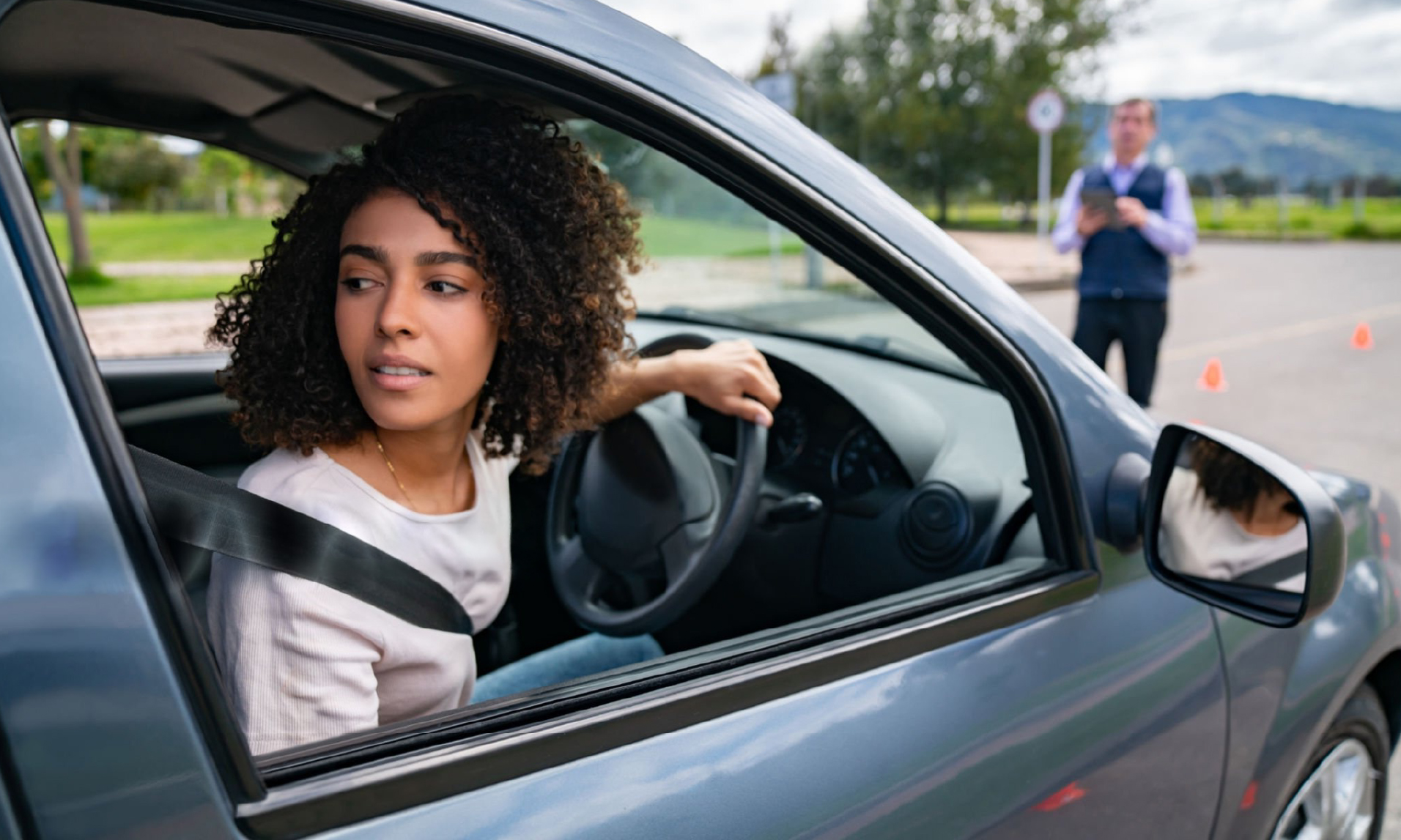
Learning to drive is not just about getting a license. Driving lessons help learners develop safe and confident habits that will make them independent drivers for many years to come.
People who are learning to drive in Canberra, ACT, or Queanbeyan can get rid of a lot of stress just by taking proper driving lessons. They assist the learners in becoming more observant and understanding the road situation so that they can react accordingly without getting nervous.
What Are Driving Lessons?
Driving lessons mean a one, on, one conversation with a professional driving instructor who is qualified and certified. It mainly involves teaching the learner how to handle the car, obey the traffic rules properly, and mentally prepare oneself to face the real traffic.
Besides that, professional driving lessons also explain the reason for each action. The learner is demonstrated how a particular decision/choice affects the outcome instead of being simply told to do something.
Most driving lessons include:
- Vehicle control and positioning
- Proper use of road rules
- Early recognition of hazards
- Decision, making when the traffic situation changes
These essentials are the foundation for a person’s driving skills for the next several years.
Why Professional Driving Lessons Matter
Many learners practise with family members, and that can be helpful at times. The problem is that informal practice usually offers different guidance, and that leads to bad habits that were picked up unknowingly and mixed advice that has been given to you.
A professional driving instructor:
- Noticing errors before the student repeats them
- Makes the explanation of road rules easy and understandable
- Teaches the reading of traffic signs and signals
- Ensures that the lessons are peaceful, even in crowded places
Without this framework, learners frequently are unsure at intersections and their level of confidence drops when traffic becomes unpredictable.
Driving Lessons Compared to Informal Practice
| Area | Driving Lessons | Practice With Family |
| Instruction | Professional instructor | Unqualified guidance |
| Feedback | Accurate and regular | Unclear and irregular |
| Road rules | Correctly implemented | Not always clear |
| Confidence | Develops gradually | Fluctuates |
That is the reason why many learners decide to mix private practice with regular lessons from a professional instructor.
What Driving Lessons Usually Focus On
Vehicle Control Skills
Confidence is the root of control.
Before feeling relaxed, learners have to be comfortable with handling the car by themselves.
Driving lessons commonly work on:
- Steering accuracy
- Light and smooth braking
- Correct mirror checks
- Proper lane usage
Once these basics become your second nature, everything else follows naturally.
Using Road Rules in Real Traffic
Knowing and understanding road rules is a different thing than applying those rules in real complex traffic situations.
Driving lessons involve practical work on:
- Giving way at standard intersections
- Using roundabouts and lane merging
- Reducing speed in school zones
This helps learners react calmly instead of second-guessing themselves.
Defensive Driving Skills
Good driving lessons also introduce defensive driving skills early.
Learners learn how to:
- Spot potential hazards
- Read other drivers’ movements
- Keep safe distances
- Adjust driving for weather or traffic flow
Many drivers later choose a Defensive Driving Course to further improve these skills.
Manual and Automatic Driving Lessons
Manual Driving Lessons
Manual driving lessons suit learners who want:
- A better understanding of how a car responds
- The option to drive manual vehicles
- Strong coordination skills
They can feel demanding at first, but many learners find the experience worthwhile.
Automatic Driving Lessons
Automatic driving lessons suit learners who prefer:
- Simpler car operation
- More focus on traffic and awareness
- A smoother learning process
Both lesson types work well when taught consistently.
How Many Driving Lessons Are Needed?
There is no set number of driving lessons that suits everyone.
Progress depends on:
- Confidence level
- How often lessons are taken
- Practice between lessons
- Exposure to different driving situations
Learners usually improve faster when they work with the same driving instructor over time.
Driving Lessons in Canberra, ACT and Queanbeyan
Local driving conditions have an impact on how you drive.
The learners in Canberra and all over the ACT are faced with:
- Large roundabouts
- Multi, lane roads
- Busy school and shopping areas
Whereas in Queanbeyan, lessons are mostly:
- Highway driving
- Mixed urban and regional roads
Gaining local experience is what makes learners comfortable with the fact that they are prepared and not that they are overwhelmed.
Learning With Steer Smart Driving School
Steer Smart Driving School provides:
- Driving lessons across Canberra and ACT
- Manual and automatic options
- Help for nervous learners
- Choices of defensive driving
Lessons are centered around the most common everyday driving situations rather than shortcuts.
FAQs:
Are driving lessons required in ACT?
No. Driving lessons are not required, but they help learners understand road rules and drive with more confidence.
Can a driving instructor help nervous learners?
Yes. Calm guidance and steady practice often help nervous learners feel more comfortable over time.
Is a Defensive Driving Course useful after getting a licence?
Yes. It helps drivers improve awareness and decision-making in everyday traffic.
Should learners choose manual or automatic driving lessons?
That depends on personal goals. Manual lessons suit learners who want more vehicle control, while automatic lessons suit those who prefer simplicity.
Final Thoughts
Driving lessons are about learning how to handle real roads safely.
With steady instruction and practice, learners build confidence that stays with them long after the test is done.
Leave a Reply